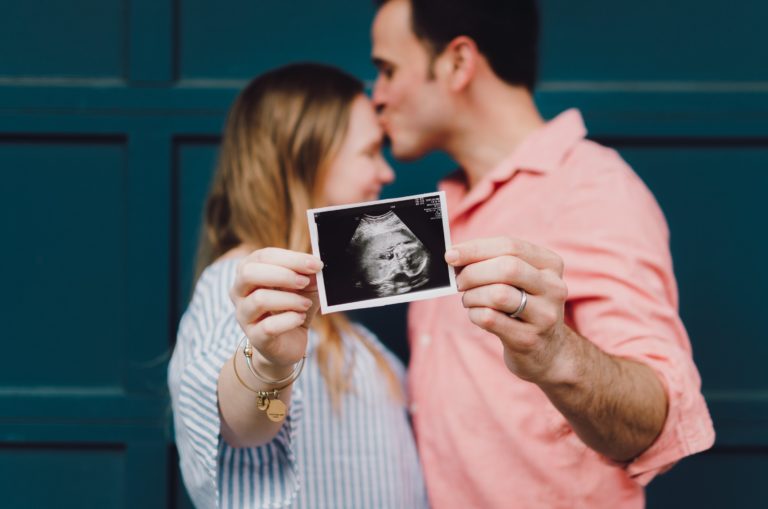

Childhood Asthma and the Gut Microbiome

Childhood Asthma and the Gut Microbiome Written by Clare Carrick ANutr (BHSc Nutrition and Health Promotion) Scientifically reviewed by Dr Fathalla Ali, PhD (Paediatrics) 6/1/2022 Asthma, an inflammatory disease that restricts the airways and causes breathlessness, is a major global public health concern (1). Poorly managed asthma negatively impacts quality of life and increases the […]
Eczema and the Infant Microbiome
Eczema and the Infant Microbiome Written by Clare Carrick ANutr (BHSc Nutrition and Health Promotion) Scientifically reviewed by Dr Fathalla Ali, PhD (Paediatrics) 23/12/2021 What is eczema? Eczema is a chronic inflammatory rash that often starts early in life (1). Its prevalence is on-the-rise, particularly in more affluent parts of the world, and this has […]
Gut Health and the Microbiome
Gut Health and the Microbiome Written by Clare Carrick ANutr (BHSc Nutrition and Health Promotion) Scientifically reviewed by Dr Fathalla Ali, PhD (Paediatrics) 23/12/2021 ‘Gut health’ and the ‘microbiome’ are having a moment in the spotlight right now…and for good reason! The little cohabiting critters that make up our microbiome really do play a huge […]
The way our babies are born affects their gut microbiome composition, their immune system development and their resistance to medicines, such as antibiotics, used to treat infections and diseases
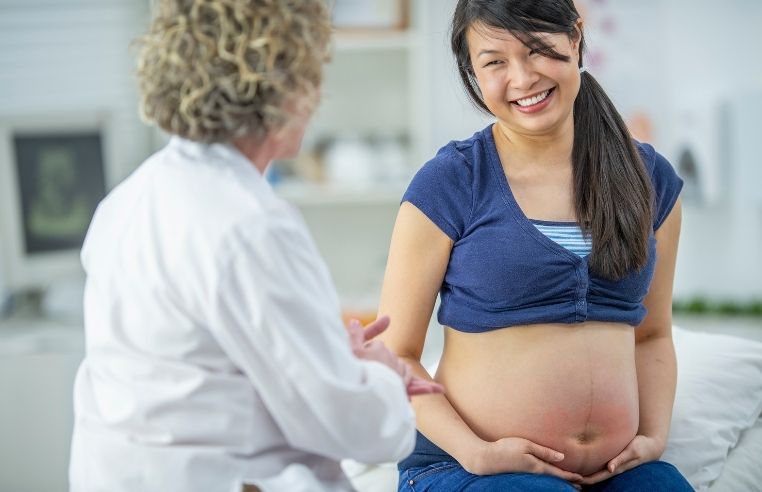
Caesareans can be a life saving necessity in the birth of a baby. Current scientific research into the development of a baby’s gut microbiome suggests that the way a baby is born, i.e. vaginally or by caesarean, can have a significant effect on the early development of the baby’s gut microbiome.
The introduction to solid foods and gut microbiota stability

The first 1-3 years of life is an important period for the development of our gut microbiota. During this critical time, gut microbiota development progresses from it being a relatively simple microbial community that is less rich and diverse, to a one that is high in richness and diversity.
Breastfeeding and the infant gut microbiota at 12 months of age

Feeding human milk to newborn infants has important nutritional, physiological, immunological and psychological benefits that may impact on their long-term growth and development.
The significance of what we eat during pregnancy for our babies
Current evidence based research indicates that what we eat during pregnancy has a significant impact on the early development of the baby during pregnancy and the first 1000 days of life.
The Persistent Effects of Birth Mode on Gut Microbiota Composition, Immune System Development and Antimicrobial Resistance
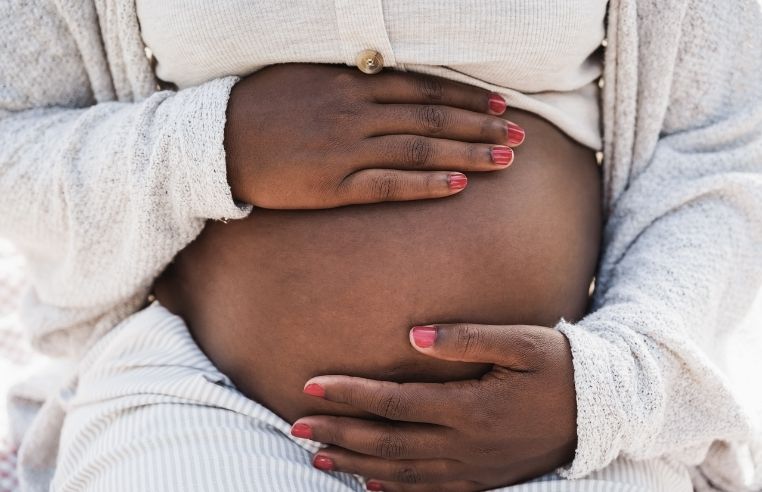
It is believed that mode of birth (Vaginal or Caesarean) has a significant effect on early gut microbiota acquisition and development. Globally, the rate of caesarean birth is consistently increasing as a result of multiple factors. Among these factors are the increase in the overall income and the easy access to health facilities. In 2015, around 29.7 million births happened by caesarean, accounting for about 18% of the births in 169 countries.
Early Microbiota Colonization and Gut Metabolome
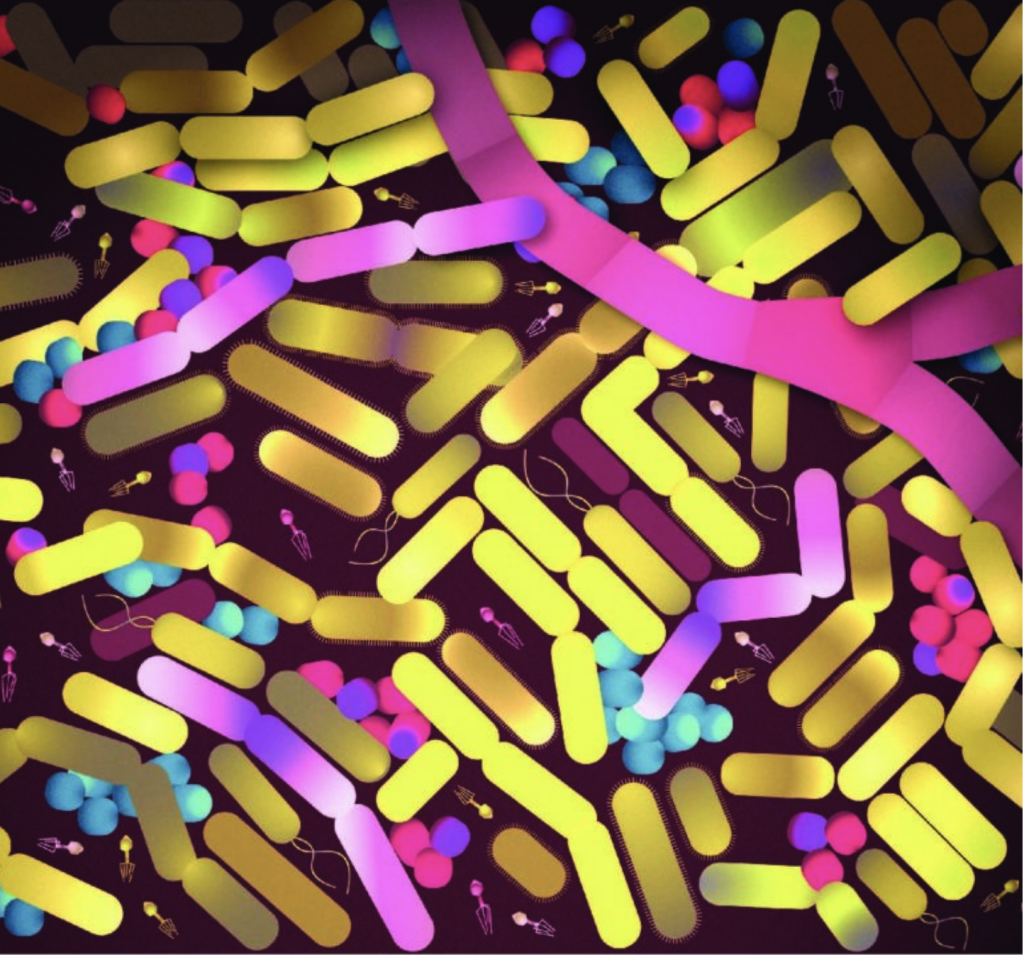
It’s believed that the status of our health in later life is associated with the first bacteria that colonize our gut.
The role of Bifidobacteria in HMOs utilization and systematic immune upregulation
Among the most abundant members of the gut microbiota that colonize the gut of infants during early days of life are Bifidobacteria, which are believed to play a major role in the development of the immune system